
BROWNOUT MITIGATION
Enabling Safe Landings
in Degraded Visual Environments
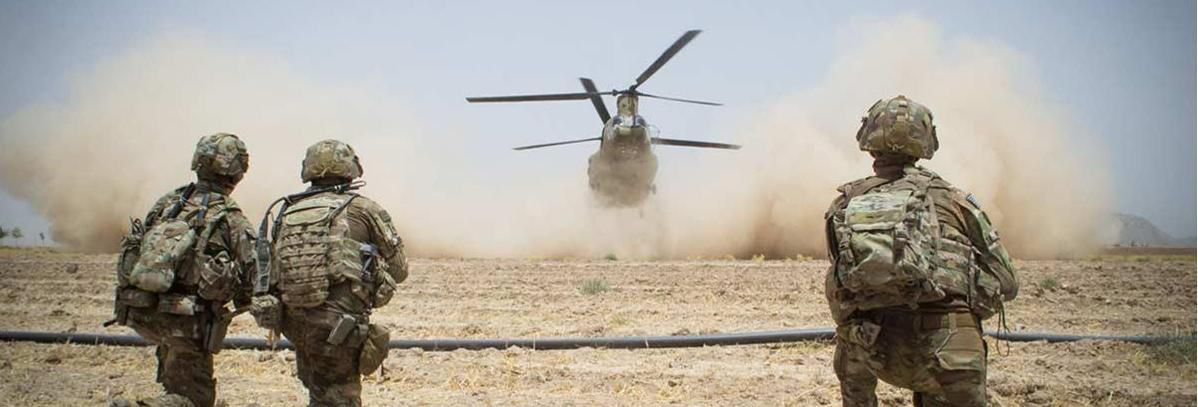
Brownout is a critical operational hazard encountered during helicopter landings in dry, dusty, or sandy environments.
When rotor wash interacts with loose surface material, it generates a dense dust cloud that can rapidly engulf the aircraft, resulting in:
- Near-zero visibility for pilots
- Loss of visual reference with the ground
- Spatial disorientation during landing and take-off
- Increased risk of hard landings, asset damage, and mission failure
Brownout is widely recognised as one of the leading causes of rotary-wing incidents in austere and desert environments, particularly during tactical operations where visibility and control are already constrained.
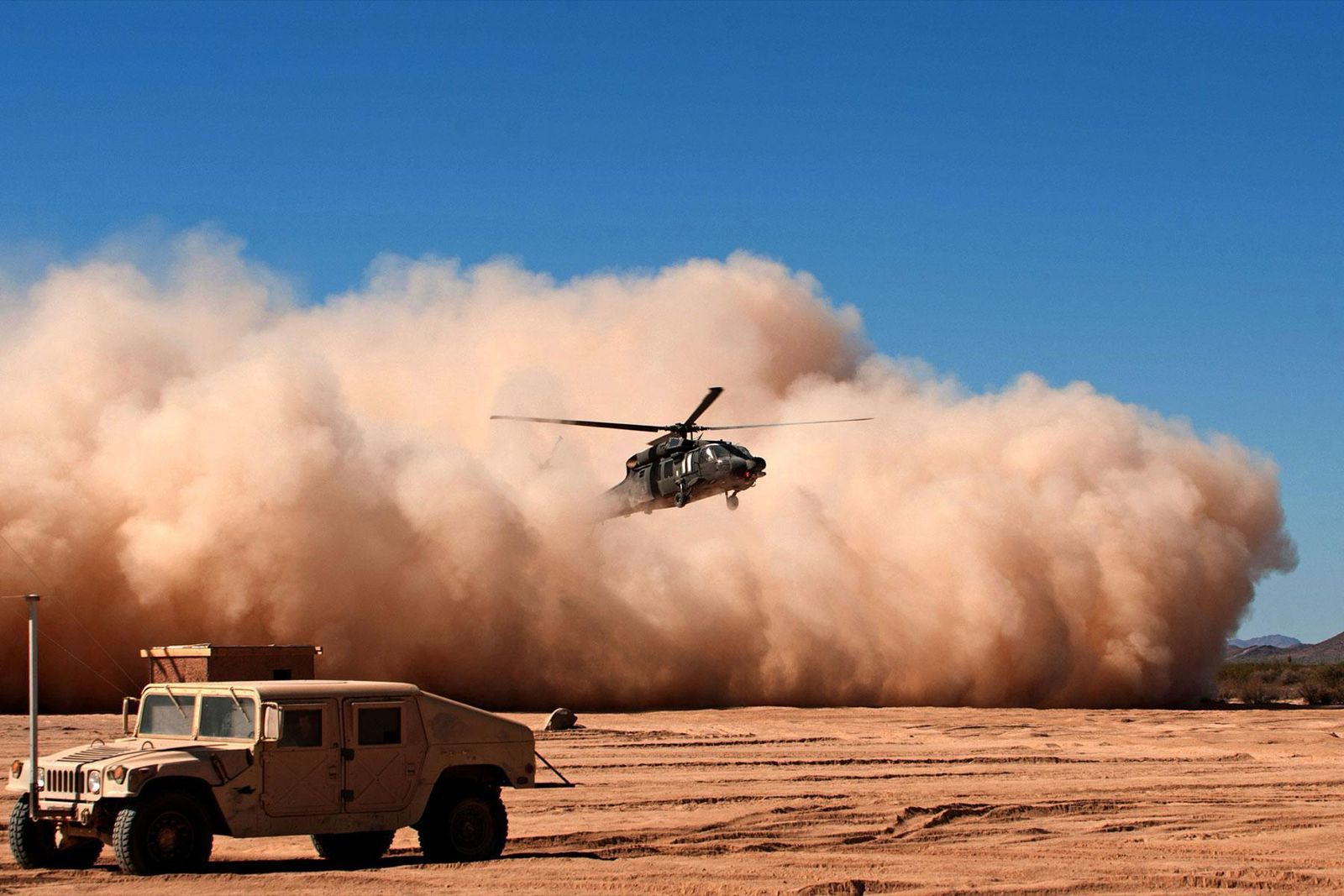
Brownout Impact
Brownout is not just a safety issue it is a mission critical limitation
In expeditionary or remote environments, this becomes a logistics challenge which:
Limits where helicopters can safely land
Slows deployment of personnel and equipment
Increases pilot workload and risk exposure
Restricts night and low visibility operations
Creates dependency on pre-prepared landing zones
Brownout degrades visibility, limits control, and increases risk at the
most critical phase of flight, impacting mission outcomes.
MILHA Ground Stabilisation System (MGSS)
MGSS addresses brownout at its source the ground surface.
Using MGSS enables the rapid creation of stabilised landing zones that:
Bind loose surface particles, preventing dust lift-off under rotor wash
Increase surface cohesion and load bearing capacity
Increases pilot workload and risk exposure
Maintain natural terrain appearance (low visual signature)
Eliminate or significantly reduce dust generation
Converts in-situ soils into a stable, dust-suppressed landing surface, improving visibility, reducing risk, and enabling consistent operations.
MGSS Landing Zone Capability
This is paragraph text. Click it or hit the Manage Text button to change the font, color, size, format, and more. To set up site-wide paragraph and title styles, go to Site Theme.
Reduced Brownout Risk
- Degraded visibility during critical landing and take-off phases
- Reduced pilot control in dust-contaminated environments
- Increased operational risk to aircraft and crew
- Compromised landing zone conditions in austere terrain
- Higher likelihood of mission delay or abort
- Negative impact on overall mission effectiveness
Rapid Deployment
- Immediate operational capability
- Rapid, in-situ terrain stabilisation
- Low equipment footprint
- Fast establishment of landing zones
- Efficient deployment in constrained environments
- Eliminates dependence on heavy plant and engineering assets
Lower Logistics Burden
- Significantly reduced logistics burden
- Removes need for imported materials
- No reliance on heavy plant or equipment
- Reduced transport and supply chain complexity
- Streamlined deployment in remote environments
- Maximises availability of mission-critical resources
Dual-Use Capability
MGSS delivers adaptable ground stabilisation for both military and civil applications, supporting everything from forward operating bases to humanitarian access and disaster response.
- Forward Operating Bases (FOBs)
- Temporary Landing Zones (TLZs)
- Humanitarian and disaster response operations
Persistent Performance
- High-strength, load-bearing surface
- Sustains repeated landing cycles
- Handles continuous vehicle traffic
- Performs in variable and harsh conditions
- Maintains structural integrity under operational load
- Extended surface lifespan in demanding environments
Built for Operational Environments
MGSS is engineered to perform in challenging remote, and infrastructure limited environments, where reliability, speed, and simplicity are critical to mission success.
- Desert and arid regions
- Dry rural and unsealed terrain
- Military training grounds
- Forward deployed operational theatres
- They are compatible with both rotary-wing and light fixed-wing operations, supporting flexible mission profiles.
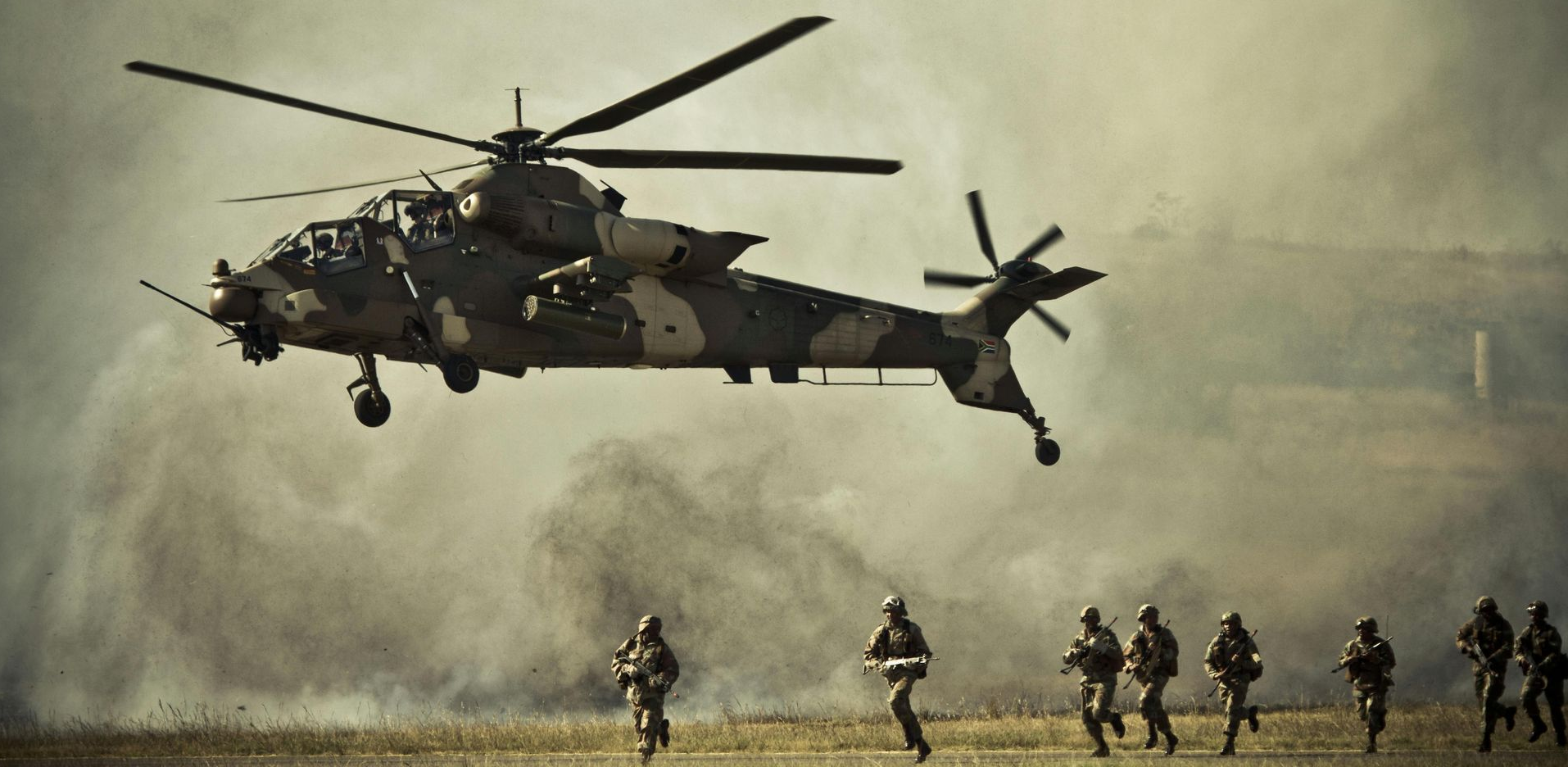
Brownout starts on the ground
and so does the solution!
Brownout is not just a visibility issue it is a ground engineering problem.
MILHA Ground Stabilisation System
ensures the surface stability required for confident operations in the world’s most demanding environments, converting unstable terrain into reliable landing infrastructure.
Restoring control, reducing risk, and enabling access where it was previously limited or denied.