
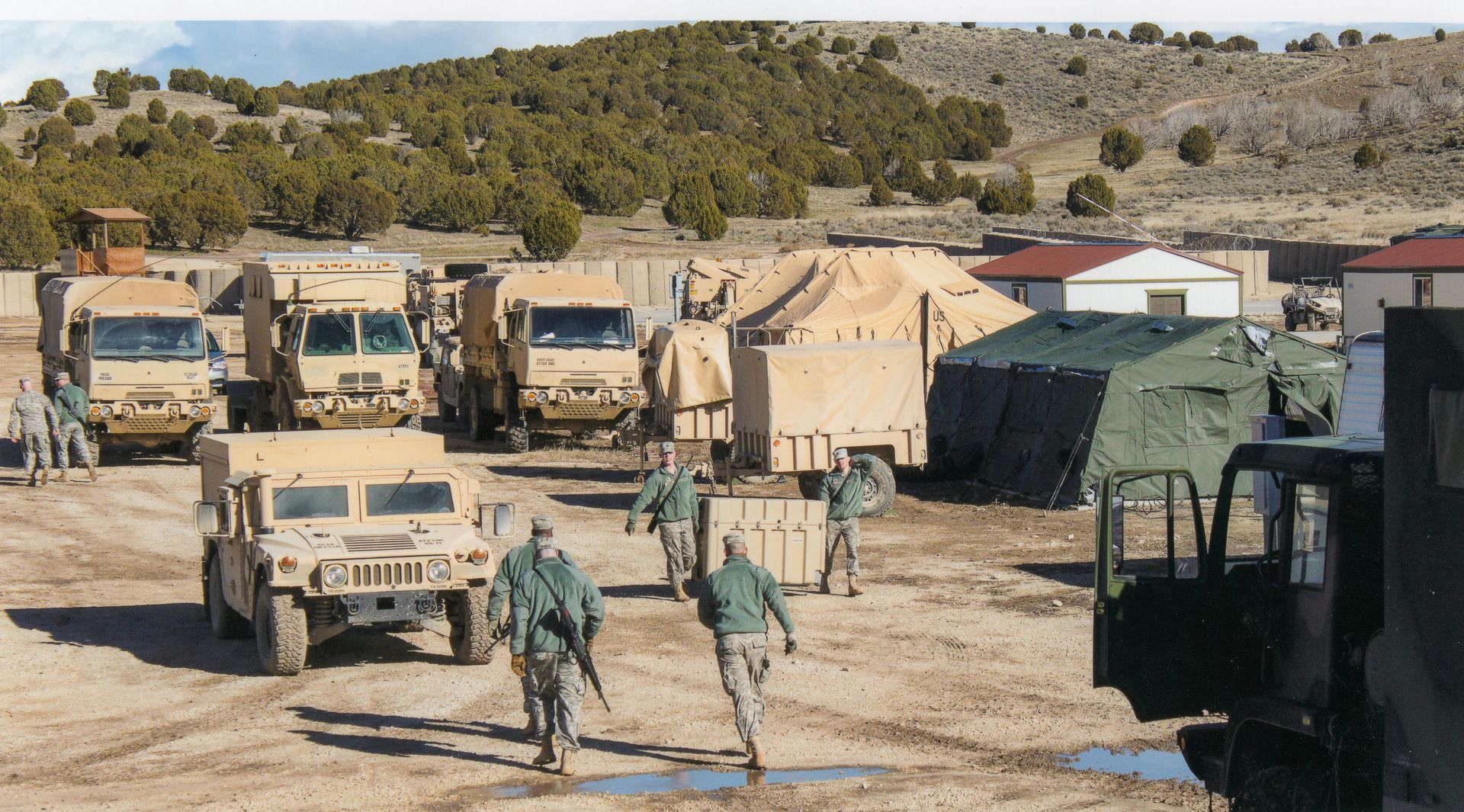
Deployment & Integration
MILHA Ground Stabilisation System (MGSS) is engineered for rapid adoption within existing military logistics and engineering frameworks, delivering capability without organisational disruption. Its modular, scalable architecture enables swift mobilisation and controlled expansion in line with operational priorities, ensuring infrastructure support can match manoeuvre tempo.
Designed to integrate with established combat engineering doctrine, MGSS requires no bespoke force restructuring, specialist contractor dependency, or complex retraining pipeline. It leverages standard transport assets, organic engineering units, and familiar deployment methodologies, allowing capability to be embedded within current force models with minimal friction.
Strategically, MGSS reduces the time, material movement, and engineering effort traditionally associated with ground preparation and route reinforcement. By lowering logistical burden and minimising heavy civil works, it enhances deployment agility while preserving lift capacity for mission critical assets.
The outcome is a scalable, low footprint infrastructure capability that strengthens operational resilience, accelerates readiness timelines, and integrates seamlessly across expeditionary, contingency, and coalition operations without imposing disproportionate cost, training, or doctrinal risk.
Installation & Personnel Requirements
Transport & Logistics
MGSS components are configured for transport using standard military logistics platforms. The system can be:
- Containerised for strategic lift
- Palletised for rapid loading and distribution
- Delivered as modular units adaptable and scalable
This ensures compatibility with existing road, rail, sea, and air transport assets without requiring specialist carriage solutions. Its reduced reliance on bulk aggregate or heavy construction material significantly lowers logistical burden compared to traditional ground engineering methods.
Installation & Personnel Requirements
MGSS is designed for installation by organic engineering units without the need for specialist contractors. Deployment typically requires:
- A small trained engineering detachment
- Standard plant and handling equipment held within combat engineer units
- Minimal ground preparation prior to installation
The system reduces excavation requirements and avoids complex multi-phase construction, enabling faster operational activation.
Specialist Engineering Demand
No permanent specialist engineering capability is required for routine deployment. Familiarisation training can be delivered within existing military or combat engineer organisations, reducing additional training overhead.
The system supports a “train-the-unit” model, allowing capability to be embedded within standard force structures.
Field Engineer Applications
MGSS complements established combat engineering capabilities and integrates within:
- Expeditionary basing doctrine
- Mobility and counter-mobility operations
- Logistics route reinforcement planning
- Forward operating base establishment
Its modular nature allows phased deployment aligned with operation objectives.
NATO & Coalition Compatibility
MGSS is designed to operate within NATO and coalition organisation. The system:
- Supports interoperability across joint task forces
- Aligns with expeditionary mobility and sustainment concepts
- Accommodates all military vehicle classes and load requirements
- Does not require bespoke or non standard equipment
Technical Summary
Deployment Configuration: Containerised, palletised, or modular units
Transport Compatibility: Road, rail, sea, and air (standard military logistics platforms)
Installation Personnel: Small organic engineering detachment
Plant Requirements: Standard combat engineer equipment
Ground Preparation: Minimal excavation requiredTraining
Familiarisation: level integration within existing units
Doctrinal Alignment: Expeditionary basing, mobility support, logistics reinforcement
Coalition Compatibility: NATO-aligned and interoperable